
The Science of Sleep: Why Your Hotel Needs to Solve the "First-Night Effect"
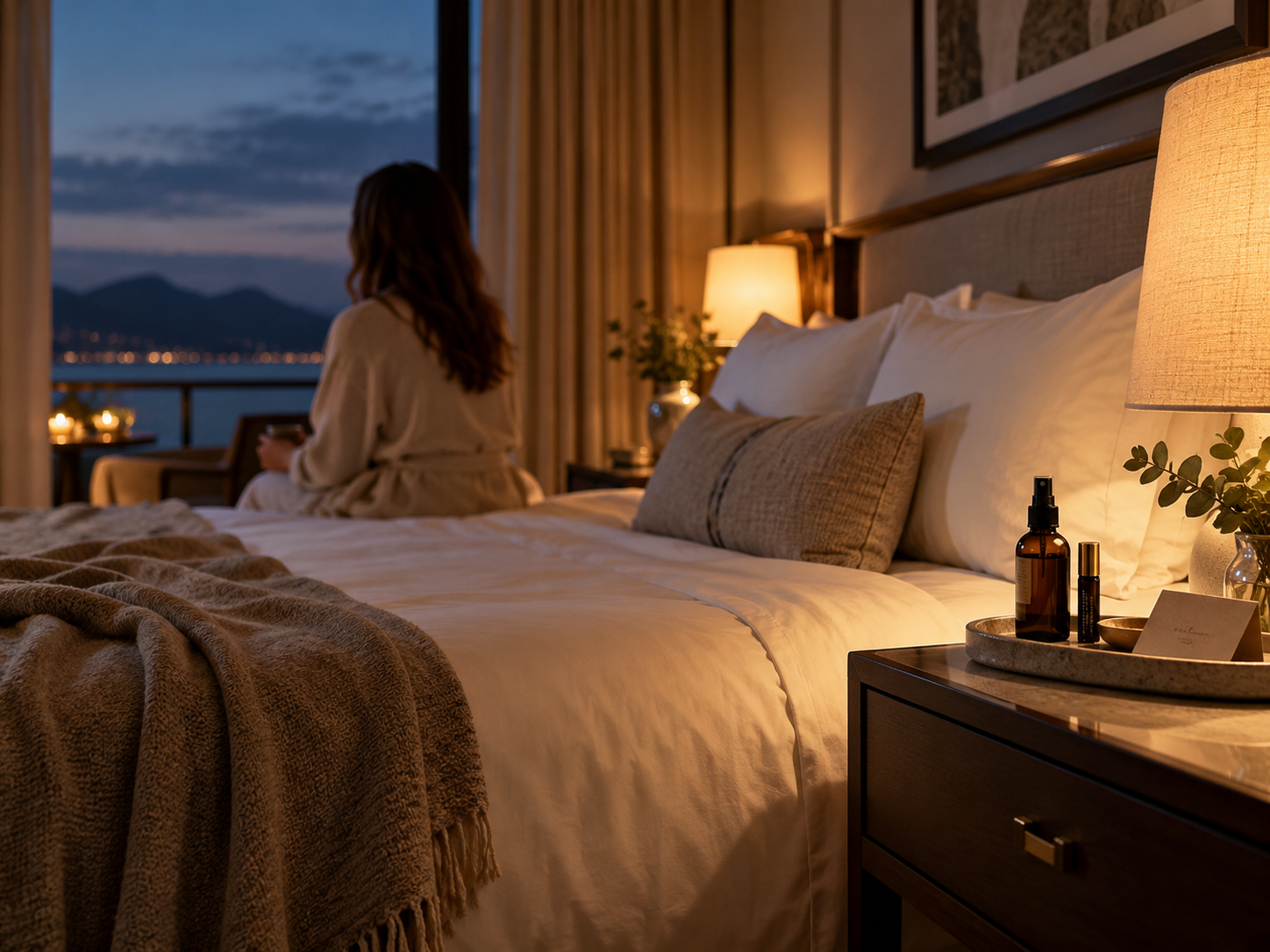
Why Your Best Guests Still Wake Up Tired (And How to Fix It)
We’ve all seen the reviews. You run a beautiful hotel, your housekeeping team is top-tier, and the mattresses are top-quality, yet occasionally, a guest checks out and mentions they "didn't sleep great."
It’s frustrating because you know you’ve done everything right.
But there’s a sneaky reason for this that has nothing to do with your service or your linens. It’s a biological quirk known as the "First-Night Effect."
It’s not just your guests being picky — it’s their brains being protective. If you want to stand out in a crowded hotel market, understanding this and fixing it is your next big opportunity.
Simply put, the first night in a new place can be harder on the brain. Even in a luxury suite, your guest’s brain is essentially acting like a night watchman, staying more alert to unfamiliar surroundings.
Think about when you stay in a hotel. You notice the different hum of the AC, the way the light filters through the curtains, or the sound of someone walking down the hall.
Your brain is trying to decide whether these things are “safe.” For a guest, this can contribute to lighter sleep, meaning they may wake up feeling less refreshed.
They didn't have a “bad” stay, but they didn't have a restorative one either.
Why Today’s Hotel Guest Expects More From Sleep
In the past, a guest might simply blame the pillow and move on.
Today, many guests have access to sleep-tracking technology that gives them a much more immediate picture of how they slept.
If their room felt too bright, a little too loud, or simply “off”, they may start looking for a reason why.
By taking the lead in creating a more restful environment, you’re not just providing a room; you’re creating another point of difference in the guest experience.
It could be the difference between an ordinary review and a memorable “I slept wonderfully” testimonial.
The Architecture of a Restorative Room
You don't need a massive renovation to change how a room feels. Often, it's the small sensory details that contribute to a guest feeling comfortable and at ease.
It might be the way the light falls across the room at dusk, the feel of the textiles, the scent of the space, or even the layout of the room.
When you create a space that feels intentional and calm, rather than sterile or impersonal, you give guests more opportunities to relax and settle into their surroundings.
You aren't just selling a bed. You're creating a sense of comfort and peace of mind.
So, How Do You Turn a Room into a Sanctuary?
You can’t control everything about a guest’s sleep, but you can influence the sensory experience. That’s why we created Soothr.
Instead of asking you to redesign your interiors or replace your HVAC systems, we’ve created curated sensory wellness kits designed to complement the room you already have.
They act as a sensory bridge, giving guests simple tools to help them settle when it’s time to rest.
Whether it’s creating a familiar scent, adding a tactile element or introducing a calming ritual, each kit gives guests an opportunity to pause, unwind and settle into their surroundings.
Why This Matters for Your Bottom Line
At the end of the day, hotel management is about guest satisfaction.
When guests feel rested and comfortable, it can contribute to a more positive stay and, potentially, better reviews and stronger loyalty.
By focusing on the first-night experience, you’re addressing something many properties overlook: how a guest actually feels when they settle into their room and prepare for sleep.
It’s a simple way to differentiate your property and show guests that you’ve thought beyond the room itself. A great stay isn't just about the lobby décor or the design of the bedroom; it’s about how the guest feels when they wake up in the morning.
Quick Questions
Q: Can hotels really help reduce the First-Night Effect for guests?
A: We can't change human biology, but we can help make an unfamiliar room feel more comfortable and familiar. Soothr introduces gentle sensory cues and a calming ritual that can help guests settle into their surroundings.
Q: Can this make a difference to the guest experience?
A: A good night's sleep is an important part of how guests experience their stay. By creating a more considered environment around bedtime, Soothr gives hotels another opportunity to show guests that their comfort has been thoughtfully considered.
Q: How do I get Soothr into my rooms?
A: It's simple. Our sensory wellness kits are designed to be an easy addition to the guest experience and can be placed in bedrooms, prepared as part of turndown or included as a welcome gesture. [Contact Us] to arrange a one-to-one, no-obligation 15-minute presentation.
Soothr is designed to complement the guest experience and is not a medical device or a replacement for medical advice. Individual experiences may vary.
