
The Psychology of Scent: How Sensory Design Shapes High-End Guest Retention
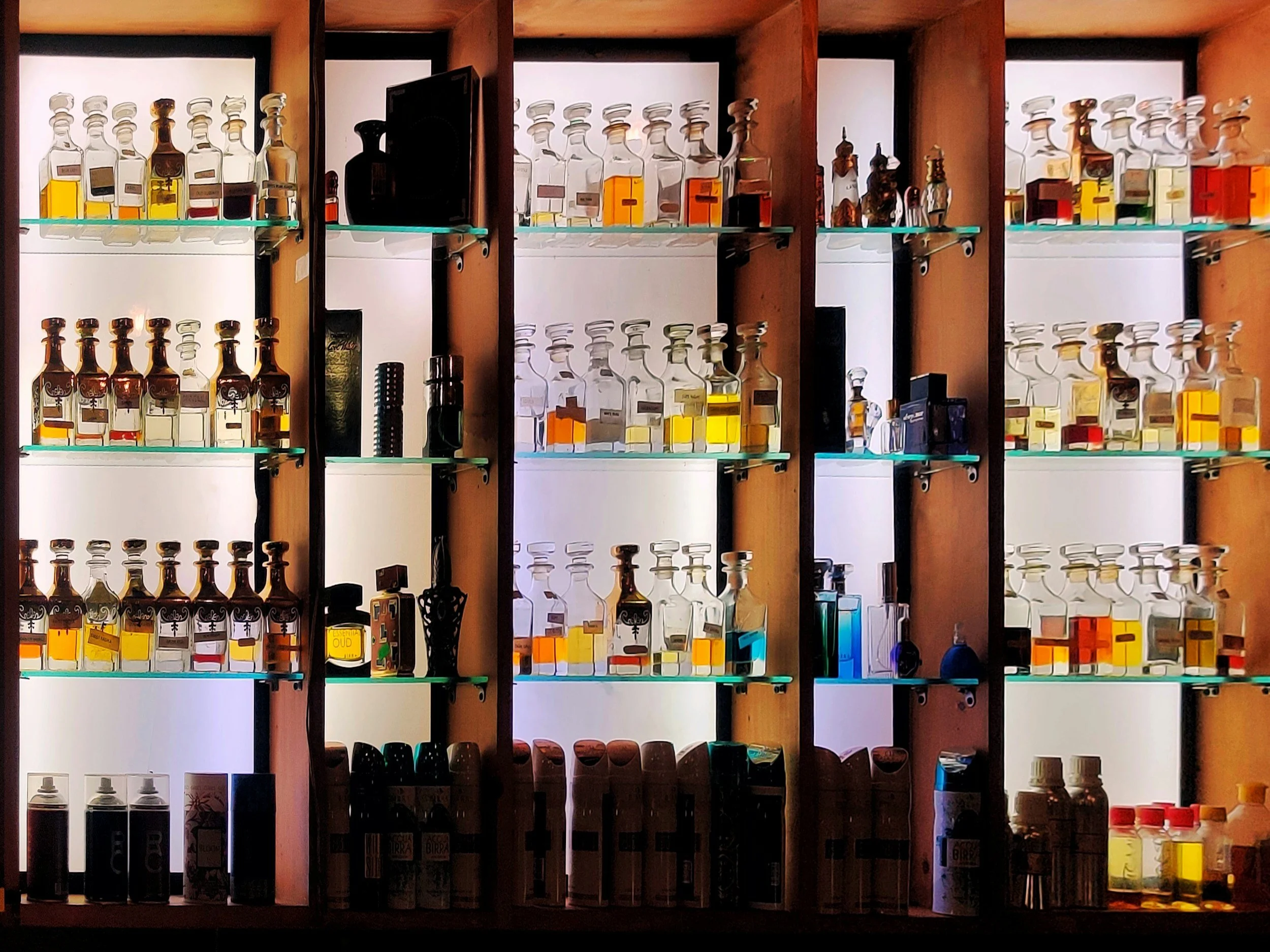
When a guest steps into a luxury hotel room, what is the very first thing they notice?
Usually, it is not the thread count of the Egyptian cotton sheets, nor is it the marble finish of the bathroom.
Long before conscious observation kicks in, the brain is already processing something far more primal: atmosphere.
In the world of high-end hospitality, the visual and tactile elements of a room are only half the battle.
To truly captivate a guest and ensure they return, hoteliers must master sensory design.
And at the heart of that sensory experience lies the most powerful trigger of all: scent.
The Science of Smell and Memory
There is a neurological reason why a particular aroma can instantly transport you back to a specific holiday, a childhood home, or a memorable evening out.
Unlike our other senses, olfactory signals bypass the thalamus and route directly to the amygdala and the hippocampus, the brain's emotional and memory centers.
This means scent doesn't just pass through the brain; it embeds itself there.
When a boutique hotel curates a signature in-room aroma, it is not just freshening the air.
It is anchoring the guest's stay to an emotional memory.
Long after checkout, catching a whiff of that specific botanical note, warm amber, or crisp linen back home will instantly evoke the feeling of relaxation, exclusivity, and pampering they experienced at your property.
Moving Beyond the Visual Aesthetic
For years, luxury interior design focused heavily on the eyes, immaculate lighting, curated art pieces, and minimalist palettes.
But modern luxury travelers and the discerning guests of boutique UK properties are looking for something deeper. They want to feel cared for.
When a room engages multiple senses simultaneously, it shifts from being a mere place to sleep to an immersive sanctuary.
Integrating thoughtfully curated sensory elements into a room accomplishes three critical things for retention:
Immediate Decompression: Travel is stressful. A carefully balanced in-room sensory kit helps guests physically and mentally decompress within minutes of arrival, signaling to their nervous system that they have arrived somewhere safe and luxurious.
Perceived Value: High-end finishes can sometimes feel cold or sterile if a space lacks warmth. Sensory details bridge the gap between architectural luxury and emotional comfort.
The "Signature" Effect: Word of mouth in luxury travel is often driven by the intangible. Guests don't just talk about a comfortable bed; they talk about how the place made them feel. A signature scent and tactile experience create a distinct brand identity that travelers actively seek out again.
Elevating the Guest Journey
Retention isn't built on a single great night's sleep; it is built on a seamless, multi-layered journey from the moment the door opens to the final checkout.
By introducing elevated sensory touchpoints, whether through refined ambient aromas, tactile elements, or mindful details, you give your guests an experience that lingers long after they've left.
Because ultimately, luxury isn't just seen. It is felt, remembered, and deeply desired.
How can hotels put these ideas into practice?
Read Beyond the Signature Scent: Helping Hotel Guests Feel at Ease for simple ways to bring scent, sound and evening rituals into the guest experience.
Curious about how to weave these sensory layers into your own spaces? Discover how Soothr redefines luxury hospitality through immersive sensory moments.
