
Where Wellness Really Starts: In the Mind
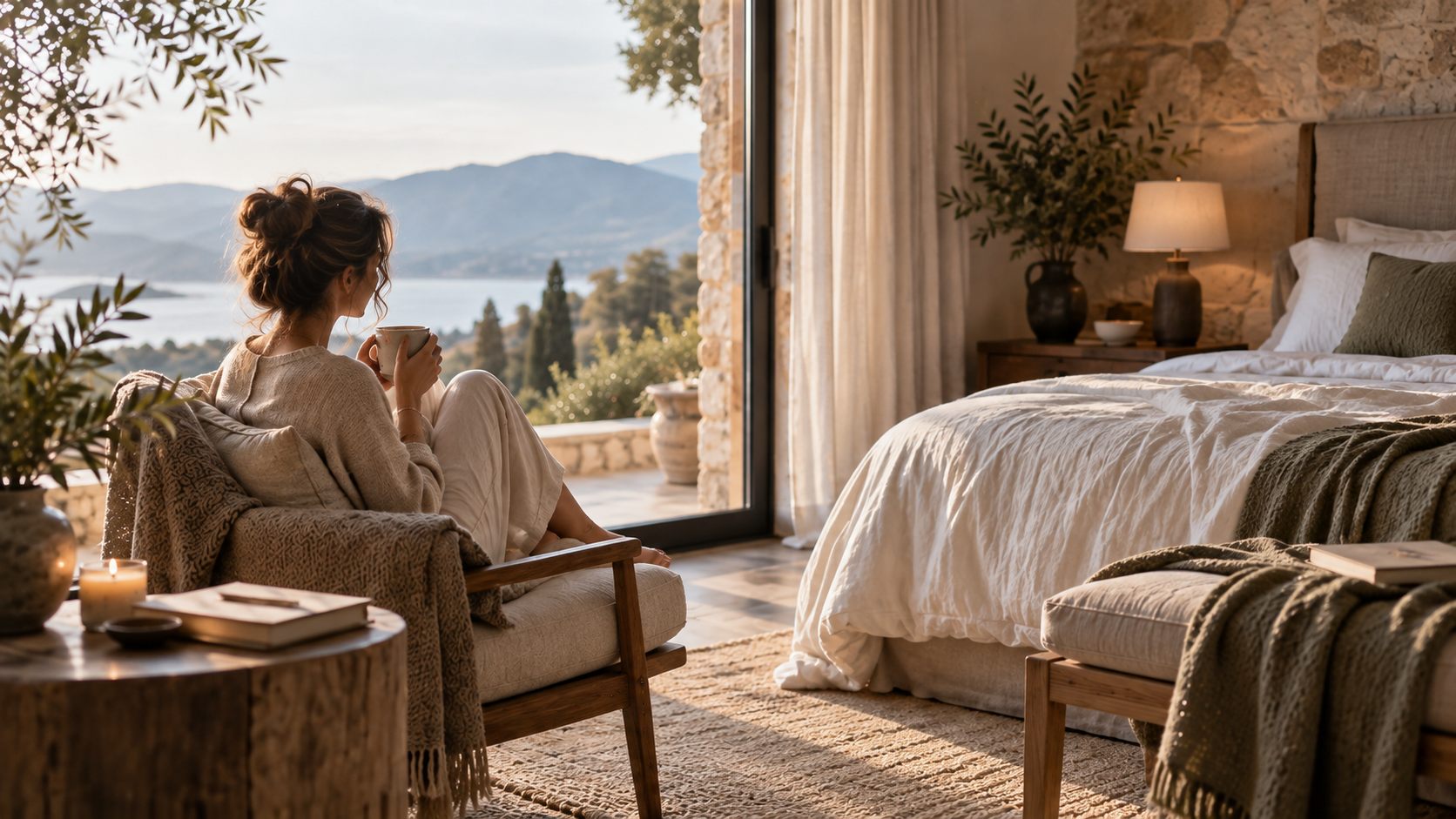
Where Wellness Really Starts: In the Mind
When we think about wellness, our attention often turns first to the things we can see and experience around us.
We might picture a peaceful spa, a beautifully prepared bedroom, soft lighting, calming music, a warm bath or a quiet weekend away from everyday responsibilities.
All of these things can contribute to how we feel, but true wellness begins somewhere much less visible.
It begins in the mind.
We can be surrounded by comfort and still feel restless. We can lie in a luxurious hotel bed and find ourselves thinking about work, family, finances, tomorrow’s plans or a conversation that happened hours earlier.
We may have physically stopped for the day, yet mentally we can still be moving at full speed.
This is one of the most important things to understand about wellbeing. Rest does not happen simply because we have stopped being busy. The mind also needs an opportunity to recognise that the active part of the day is over.
Wellness is about creating space
Modern life asks a great deal of our attention. From the moment we wake up, many of us move through a continuous stream of decisions, notifications, conversations, responsibilities and information.
Even when the day has supposedly finished, our minds can remain occupied by everything that has happened and everything that is still to come.
This is why wellness should not necessarily be thought of as a complete escape from stress. For most people, that would be unrealistic. There will always be pressures, responsibilities and periods of uncertainty.
A more useful way of thinking about wellness is as the ability to create moments of recovery within ordinary life.
Sometimes that might mean a weekend away. At other times it may simply mean twenty quiet minutes at the end of the evening when there is nothing that needs to be solved, answered or organised.
Those small moments matter because they give the mind permission to change pace.
The transition into rest is important
One of the reasons people can struggle to relax is that we often expect the mind to change state instantly.
We finish work, close a laptop, check into a hotel or switch off the television and expect ourselves to suddenly feel calm.
The reality is usually more gradual.
Our minds often need signals that tell us it is time to move from activity towards rest. This is where simple rituals can become surprisingly valuable.
Lowering the lights, putting a phone away, using a familiar fragrance, listening to a calming soundscape or taking a few slower breaths can all help create a clear transition between one part of the day and the next.
No individual ritual will work in exactly the same way for everyone, and none of them should be viewed as a magic solution. Their value comes from creating consistency and intention.
Over time, familiar routines can become associated with slowing down.
Rather than trying to force ourselves to relax, we create the conditions in which relaxation is more likely to happen naturally.
Our surroundings influence how we feel
If wellness begins in the mind, that does not mean our physical environment is unimportant. In fact, the relationship between our surroundings and our state of mind can be incredibly powerful.
We all respond to our environment, often without consciously realising it.
Harsh lighting can make a room feel clinical, while warmer lighting can make the same space feel softer. Noise can keep us alert, while gentle sounds can create a sense of calm.
Scent can instantly change how a room feels and can also become closely connected with memory.
This becomes particularly interesting in hospitality.
A hotel guest may arrive after hours of travelling, a demanding working day, an important meeting or a long journey with children.
They may have reached their room physically, but mentally they can still be carrying everything that came before it.
In that moment, the role of hospitality can extend beyond simply providing somewhere comfortable to sleep.
There is an opportunity to help the guest make the transition from arrival to relaxation.
That changes the question from simply asking whether the room is comfortable to considering how the room actually makes the guest feel.
Sensory experiences can support moments of calm
Our senses are constantly providing information to the brain. What we see, hear, smell and touch all contribute to the atmosphere of an experience.
This is why sensory wellbeing can feel so natural.
A carefully chosen scent can create a feeling of familiarity or comfort.
Gentle audio can soften the atmosphere in a room.
A soothing skincare product can turn an ordinary evening routine into a deliberate moment of self-care.
These experiences work particularly well when they are uncomplicated.
Wellness should not become another list of tasks to complete.
There is already enough pressure in modern life without turning relaxation into another form of achievement.
The most valuable rituals are often those that are easy to repeat and require very little effort.
A few quiet minutes with a calming fragrance, some gentle music and the absence of a phone screen can sometimes be more meaningful than an elaborate wellness routine that becomes impossible to maintain.
Wellness is deeply personal
There is no single definition of calm that will apply to everyone.
One person might relax most easily in complete silence, while another may prefer music or natural sounds.
Some people enjoy meditation, while others find reading, walking or taking a warm shower more helpful.
Scent is equally personal. A fragrance that one person finds comforting may remind another person of something entirely different.
This individuality is important because genuine wellness should never feel prescriptive.
It is less about being told what relaxation should look like and more about becoming aware of what helps us personally create a sense of ease.
That awareness can make wellness feel far more accessible.
It does not require us to completely redesign our lives. It may simply mean recognising the little things that help us slow down and making space for them more often.
Why this matters in hospitality
Hotels have traditionally invested heavily in physical comfort, and rightly so.
The quality of the mattress, linen, bathroom, temperature, lighting and interior design all contribute to a guest’s experience.
However, modern hospitality also has an opportunity to think more deeply about emotional comfort.
How easily does a guest settle into the room?
What helps them leave the journey behind?
What encourages them to slow down before sleep?
What might make their stay feel more thoughtful and memorable?
These questions move the conversation beyond accommodation and towards experience.
For boutique and luxury hotels in particular, the smallest details can often create the strongest memories.
Guests may not remember every feature of the room, but they are much more likely to remember how the experience made them feel.
Where Soothr fits
Soothr was created around a simple idea: people sometimes need help making the transition from a busy world into a calmer moment.
The Soothr Sensory Kit brings together carefully selected products and digital experiences designed to support that transition through scent, touch, sound and simple moments of pause.
The intention is not to claim that a product can remove stress or guarantee sleep. Wellness is far more personal and complex than that.
Instead, Soothr is about creating a ritual.
It is about encouraging someone to close the door, slow things down and give themselves a moment in which nothing is immediately required of them.
For a hotel guest, that moment may come at exactly the right time.
After travelling, working, exploring or socialising, there can be something incredibly comforting about entering a room that seems to say, in its own quiet way, that the day can begin to slow down.
Wellness often begins with something small
We sometimes assume that feeling better requires a dramatic change.
A holiday, a retreat, a new routine or a major lifestyle overhaul can certainly have value, but wellbeing is also shaped by much smaller moments.
A familiar scent at the end of the day.
A peaceful soundscape.
A warm shower.
A few minutes without notifications.
A comfortable room.
A slower breath.
These experiences may appear simple, but they can help create the mental space that is so often missing from busy lives.
Because ultimately, wellness is not simply about where we are or what surrounds us.
It is about creating the conditions that allow the mind to settle.
The most beautiful hotel room in the world can provide comfort, but true rest begins when the person inside it starts to feel calm.
And that is why wellness, wherever we experience it, really does begin in the mind.
Bringing Calm Into the Guest Experience
True wellness does not begin with a product or a place. It begins with the moment the mind is given permission to slow down.
At Soothr, we believe thoughtful sensory experiences can help create that transition, turning an unfamiliar hotel room into a space that feels calmer, more considered and more personal.
For hotels, that means looking beyond physical comfort and thinking about how a guest feels when they finally close the door on the day.
Discover how Soothr is helping hotels create more thoughtful moments of calm for their guests.
