
Beyond the Signature Scent: Helping Hotel Guests Feel at Ease
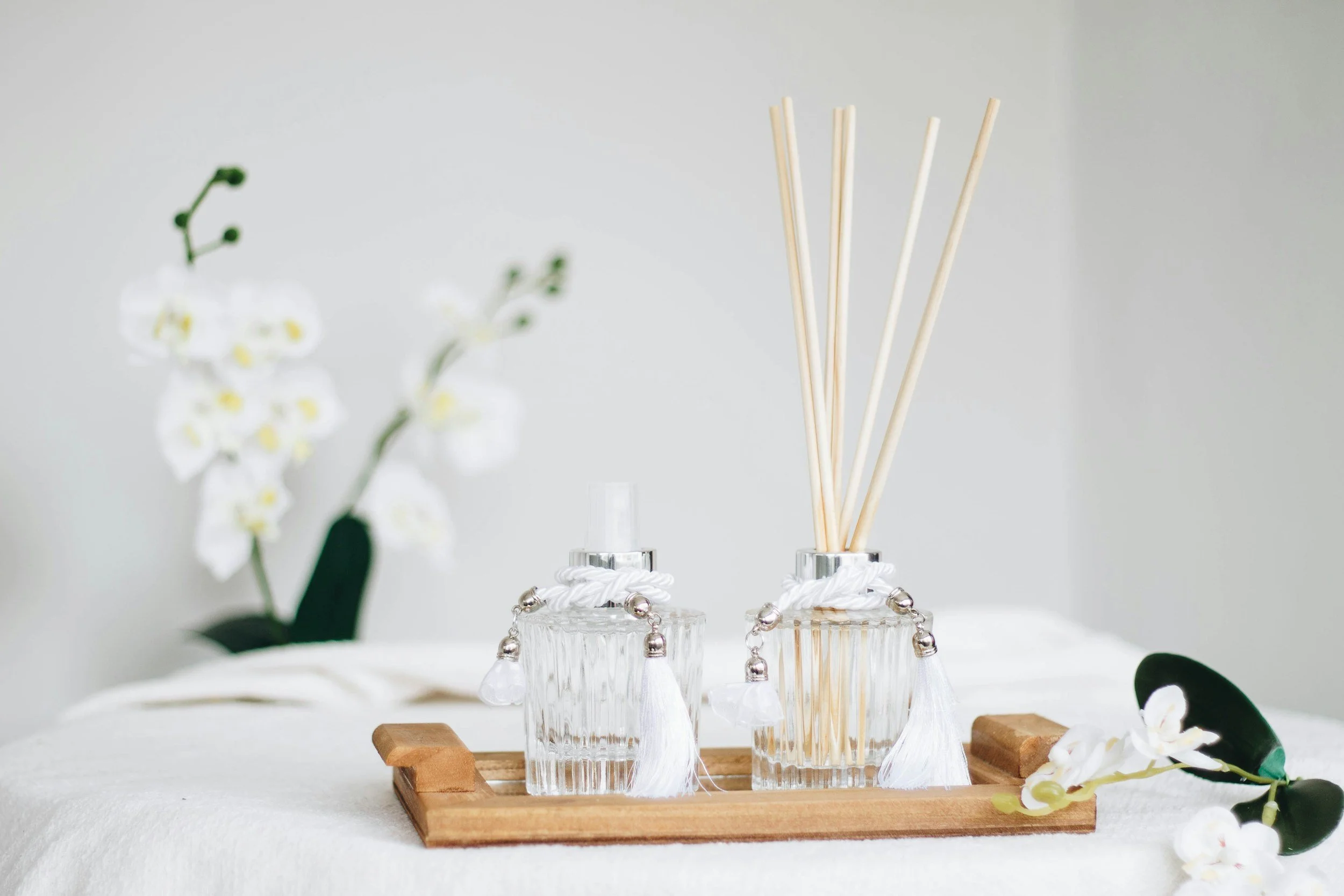
There is something lovely about walking into a hotel and noticing a scent that belongs to that place.
It becomes part of the welcome, alongside the lighting, the warmth of the greeting and the feeling that someone has thought carefully about your arrival.
But a beautiful fragrance is only one part of helping a guest feel at ease.
A guest can admire the room, appreciate the surroundings and still find it difficult to switch off. Their suitcase is unpacked, but their mind is still on the journey, tomorrow’s meeting or something happening at home.
For hotels, this creates an opportunity to think beyond how a room looks and smells, and consider what helps someone settle into it.
Start with the guest’s arrival
Not every guest arrives ready to relax.
Some have spent hours travelling. Others have come straight from work or have been looking forward to a break they desperately need. Even a happy occasion can involve planning, rushing and a head full of things to remember.
The first few minutes should make life easier.
A clear explanation of the room, an uncomplicated Wi-Fi connection and knowing how to contact reception can all help. So can giving guests space to settle rather than presenting every service and facility at once.
Before introducing a wellbeing experience, it is worth asking a simple question: have we made the basics comfortable and easy?
A thoughtful extra feels more meaningful when the room temperature, lighting and practical details have already been considered.
Give guests a choice about scent
Scent can add character to a stay, but preferences are personal.
What one guest finds comforting, another may find overpowering. Some guests prefer an unscented room altogether.
An optional pillow spray or aromatherapy product offers a different approach to filling the whole room with fragrance.
Guests can decide whether to use it, when to use it and how much they want.
For a hotel, that choice is part of the care. The aim is to offer something enjoyable that guests can make their own.
Clear product information and an easy way to request an unscented option help make the experience more welcoming.
Think about what guests hear
Sound deserves as much thought as scent.
Start with the sounds guests cannot choose: corridor activity, equipment, televisions in neighbouring rooms or music drifting from public spaces.
These need attention before adding anything else.
Once the room is comfortable, optional audio can give guests another way to unwind.
Someone might enjoy ocean sounds while reading, a short guided relaxation before bed or a few quiet minutes with headphones after a busy day.
Access should be straightforward. A discreet QR code and a short explanation can be enough.
Guests should be able to choose silence just as easily.
Offer a simple evening ritual
Hotels often provide lovely products without giving guests much reason to pause and use them.
A small invitation can bring those details together:
“Take a moment to settle in. Lower the lights, choose a sound you enjoy and make yourself comfortable.”
It does not need to become a programme or another task to complete.
A guest might use a pillow spray, listen to a short relaxation or simply put their phone down for a few minutes.
The value is in making that moment easy to find.
This can be particularly thoughtful on the first evening, when everything is unfamiliar and guests are finding their own rhythm in a new space.
Make it easy for the team to explain
A wellbeing offering should feel natural within the hotel’s service.
Reception teams need a clear, everyday explanation of what it is and how guests can use it.
Housekeeping needs to know how it is presented, checked and replenished.
“You’ll find a few things in your room to help you unwind, with optional relaxation audio through the QR code” is enough to introduce the idea.
There is no need for a long explanation or a promise about how someone will sleep.
Guests can explore it in their own time.
The presentation matters too.
A thoughtfully placed box or card can feel like part of the welcome; too many instructions can make it feel like work.
Listen to what guests actually use
The best way to develop an in-room wellbeing experience is to ask guests about it.
Did they notice it? Was it easy to understand? Which products did they enjoy?
Did they use the audio, and would they welcome something similar on another stay?
Those answers are more useful than assuming every guest wants the same thing.
A small trial can help a hotel decide what deserves a permanent place in its rooms.
It can also reveal practical details, from where to place a QR code to how staff introduce the offering.
A welcome that considers the mind
A signature scent can be a memorable part of a hotel’s identity.
Alongside it, there is room for thoughtful details that help guests find a little quiet, comfort and time for themselves.
That is the thinking behind Soothr.
Our sensory wellbeing collection brings together pillow spray, magnesium butter, an aromatherapy roller and affirmation cards, alongside an app offering guided relaxation and soundscapes.
Guests can explore the elements they enjoy and create their own moment to unwind.
For hotels, it offers a practical way to give the first-night experience more attention—from the welcome in the room to the quiet moments that follow.
Explore the connection between fragrance and guest memories in The Psychology of Scent: How Sensory Design Shapes High-End Guest Retention.
To discover how Soothr could fit your guest experience, get in touch to discuss a trial sample for your hotel.
