
The Psychology of a Good Night’s Sleep Away From Home
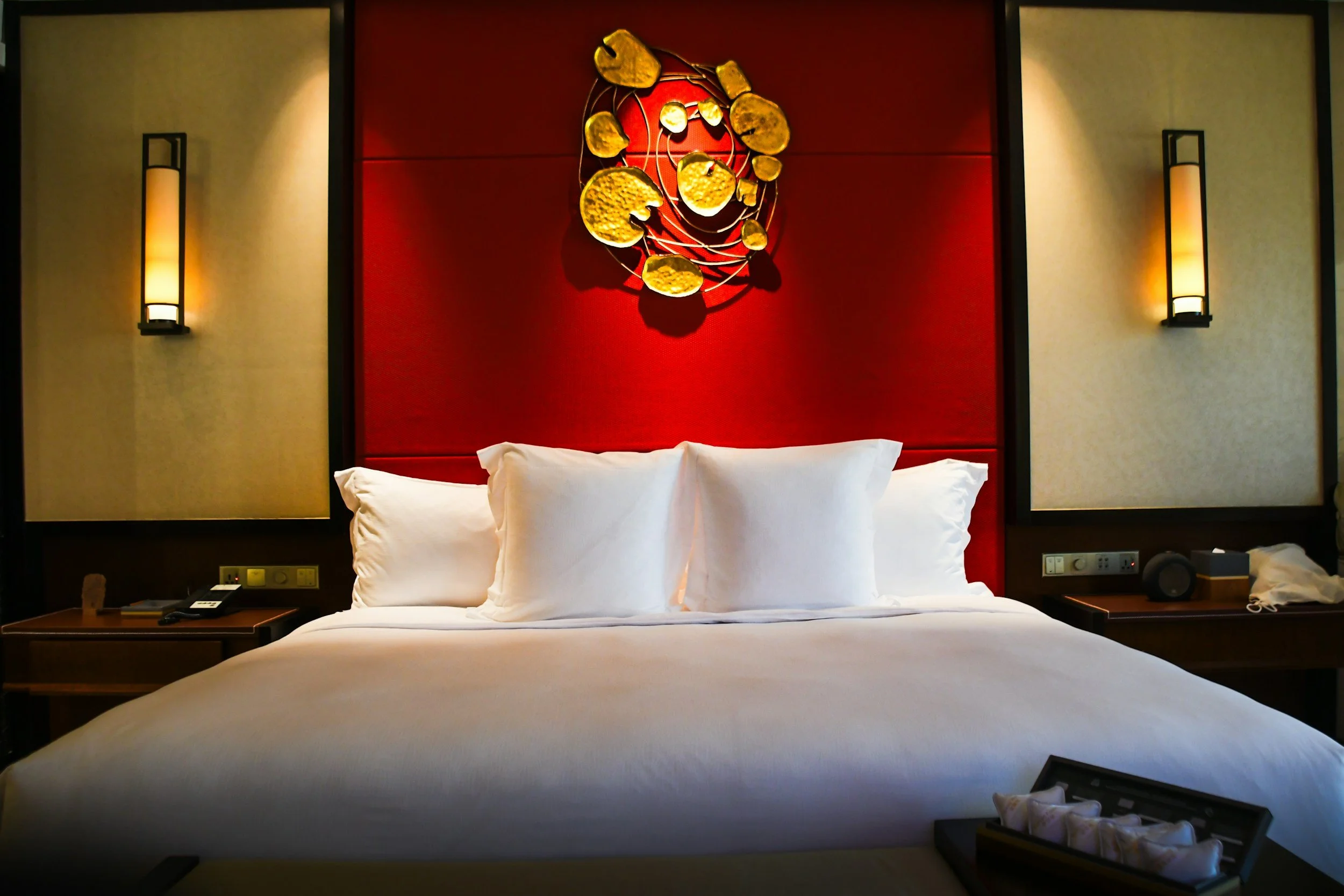
Sleeping somewhere unfamiliar can feel surprisingly different from sleeping at home.
Even when the room is comfortable, the mattress is excellent and the surroundings are quiet, many people still find that their first night away does not feel quite as restful as expected.
There is often nothing obviously wrong. The room may look beautiful, the bed may feel luxurious and the environment may seem peaceful, yet sleep can still feel lighter or more unsettled.
Part of the reason is psychological.
Sleep is not simply about closing our eyes and waiting for tiredness to take over. Our surroundings, routines, senses and sense of familiarity all help signal to the brain that it is safe to switch off.
When those familiar cues disappear, the transition into rest can become more difficult.
Familiarity plays a bigger role than we realise
At home, most of us follow a bedtime routine without thinking about it.
We recognise the feel of the room, the position of the bed, the sounds outside, the temperature, the scent of the bedding and even the small noises a house makes during the night.
These details become familiar.
When we stay somewhere new, many of those cues change at once.
The room may be quieter than usual, or noisier. The lighting may be different. The pillows may feel unfamiliar. There may be sounds from corridors, lifts, heating systems or traffic that our brain has not learned to ignore.
None of these things necessarily mean the environment is uncomfortable.
They simply mean it is new.
The brain notices change
The human brain is designed to notice changes in the environment.
During the day, that awareness helps us navigate new places and respond to what is happening around us. At night, however, the same awareness can make it harder to fully relax when we are somewhere unfamiliar.
This is one reason the first night in a hotel can sometimes feel different from the nights that follow.
Once the room becomes more familiar, the brain has fewer new details to process.
The environment begins to feel predictable.
And predictability can be reassuring.
Why bedtime rituals matter
A simple bedtime ritual can help create continuity between home and an unfamiliar environment.
That ritual does not need to be complicated.
It might involve dimming the lights, putting the phone away, taking a few slow breaths, listening to relaxing sounds or using a familiar scent before getting into bed.
The important part is repetition.
When the same actions regularly happen before sleep, they can become associated with winding down.
This is particularly useful when travelling because the surroundings may have changed, but the ritual can remain familiar.
Our senses can help create calm
Sleep is influenced by more than the bed itself.
Sound, scent, touch and atmosphere all contribute to how a room feels.
A gentle fragrance can help create a sense of familiarity. Soft background sounds can reduce the contrast between silence and unexpected hotel noises.
Comfortable textures and calming lighting can make the environment feel less clinical and more personal.
These small sensory details can work together to create a stronger feeling of calm.
For hotels, this matters because the guest experience continues long after check-in.
The hours before sleep are part of the stay too.
The difference between a room and a restful environment
A beautifully designed room does not automatically become a restful room.
Interior design can create visual impact, but relaxation is often more subtle.
Guests may remember the quality of the bed, but they may also remember how the room made them feel.
Did it help them slow down?
Did it feel calm?
Did the hotel give them anything that helped mark the transition from travel, work or sightseeing into rest?
These questions are becoming increasingly important as hotels think beyond traditional amenities and focus more closely on the overall guest experience.
Small rituals can make a stay feel more personal
One of the simplest ways to support relaxation is to give guests something they can actively use.
Rather than simply placing another product in the bathroom or another item on the bedside table, hotels can create a small evening ritual.
A pillow spray, an aromatherapy roller, a calming soundscape or a few minutes of guided relaxation can encourage the guest to pause.
That pause matters.
It creates a moment between the activity of the day and the stillness of the night.
Over time, these small details can become part of how guests remember their stay.
Where Soothr fits into the experience
Soothr was created around this idea.
Our sensory wellness kits are designed to give guests a simple collection of calming tools that can be used during the evening and before sleep.
The aim is not to promise perfect sleep.
Sleep is personal, complex and influenced by many different factors.
Instead, Soothr helps hotels create something that is often missing from the guest journey: a deliberate moment of calm.
The combination of scent, touch, affirmation and relaxing digital content gives the guest an opportunity to slow down and create a small ritual of their own.
For someone sleeping somewhere unfamiliar, that ritual can make the room feel a little more settled and a little more personal.
A better night begins before the lights go out
A good night’s sleep does not begin the moment someone gets into bed.
It begins with the environment around them.
It begins with the transition from activity to rest.
And it begins with the small signals that tell the mind that the day is finished.
For hotels looking to improve the guest experience, this creates an opportunity.
The goal does not need to be to control sleep.
It can simply be to create the conditions that make relaxation easier.
Sometimes, the smallest details are the ones guests remember most.
Discover Soothr
Soothr sensory wellness kits are designed to help hotels create thoughtful moments of calm for their guests, combining carefully selected wellbeing products with relaxing digital content to support a more restful stay.
Discover more at soothr.co.uk.
