
Can a Bedtime Ritual Help You Sleep Better in a Hotel?
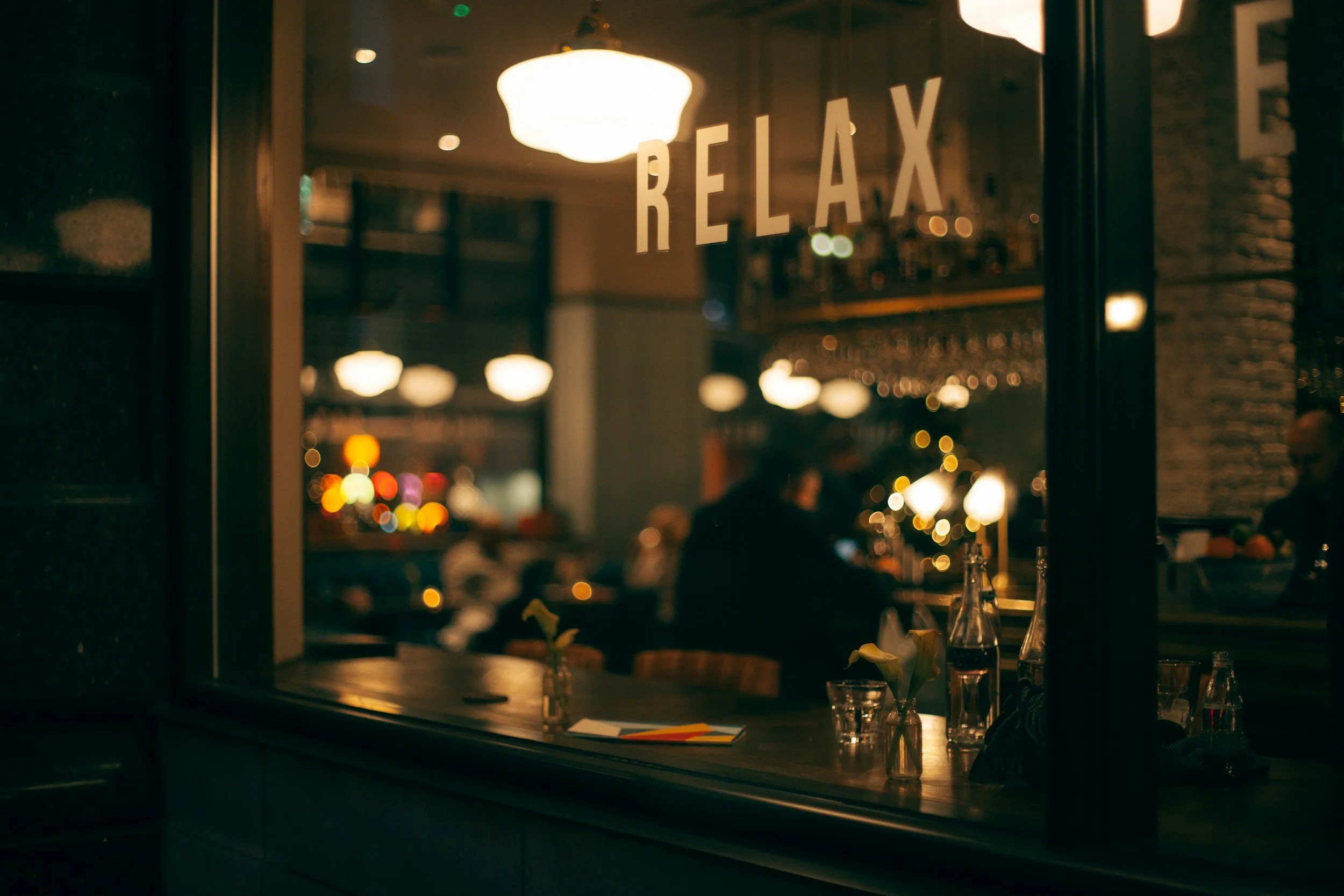
Sleeping in a hotel should feel relaxing.
You have stepped away from home, work and the usual routine, yet the first night can sometimes feel surprisingly unsettled. Even in a comfortable room, many guests find that sleep does not come as easily as expected.
One reason is simple: the environment is unfamiliar.
The room smells different, the lighting is different, the sounds are different and the usual bedtime routine has changed. When those familiar cues disappear, it can take longer for the mind and body to settle.
This is where a simple bedtime ritual can help.
Why routines matter before sleep
Most of us have a bedtime routine without consciously thinking about it.
We switch off lights in a certain order, put our phone down, brush our teeth, adjust the pillows, perhaps read for a few minutes and then settle into bed.
Over time, these repeated actions become associated with the end of the day.
When travelling, many of those familiar cues disappear.
A hotel room may be more luxurious than home, but it is still new. Creating a small, repeatable ritual can help bring some familiarity into an unfamiliar space.
A ritual does not need to be complicated
A calming bedtime ritual can be very simple.
It might involve dimming the lights, putting the phone away, taking a few slow breaths, listening to a relaxing soundscape or using a familiar scent before getting into bed.
The important part is not the number of steps.
It is the sense of transition.
A ritual creates a clear moment between the activity of the day and the beginning of rest.
For a hotel guest who may have spent hours travelling, attending meetings, sightseeing or socialising, that transition can be particularly valuable.
Familiar sensory cues can help a room feel less unfamiliar
Hotels naturally focus on the visual appearance of a room.
Design, lighting, bedding and furniture are all important, but our experience of a space is influenced by more than what we see.
Scent, sound and touch can all contribute to how a room feels.
A calming fragrance, soft background audio or a simple wellbeing product can give the guest something familiar to focus on.
These sensory cues can become part of a personal wind-down routine, helping the room feel less like somewhere temporary and more like a place where the guest can relax.
The First Night Effect
Research into sleep has identified what is known as the First Night Effect, where people can sleep differently during their first night in an unfamiliar environment.
This does not mean every hotel guest will struggle to sleep.
However, it does highlight something important for hospitality: a guest can be physically comfortable while still feeling mentally alert in a new environment.
Hotels cannot control how every guest sleeps.
They can, however, think more carefully about what happens during the period before sleep.
Creating a transition from travel to rest
The guest journey does not finish when the bedroom door closes.
In many ways, another part of the experience is just beginning.
The guest may have moved directly from a busy airport, motorway, meeting, restaurant or event into the hotel room.
Without a transition, the mind can remain in the pace of the day.
A simple evening ritual provides an opportunity to change that pace.
It gives the guest permission to stop, slow down and spend a few minutes focusing on rest.
Small details can become memorable experiences
Luxury hospitality is often defined by attention to detail.
The most memorable details are not always the most expensive.
Sometimes it is the unexpected gesture, the thoughtful product or the moment of personalisation that stays with the guest.
Creating a small bedtime ritual can become one of those moments.
Rather than simply providing another amenity, a hotel can provide an experience the guest actively participates in.
That changes the relationship between the product and the stay.
Helping guests create their own ritual
There is no single bedtime routine that works for everyone.
Some guests may enjoy scent. Others may prefer calming audio, mindfulness or simply a few quiet minutes without their phone.
The opportunity for hotels is not to prescribe a particular way of sleeping.
It is to provide guests with simple tools that allow them to create their own moment of calm.
That flexibility is particularly important because sleep and relaxation are highly personal.
Where Soothr fits into the bedtime experience
Soothr sensory wellness kits were created with these moments in mind.
Each kit brings together carefully selected wellbeing products and relaxing digital content that guests can use in their own way before bed.
The aim is not to promise better sleep.
Instead, Soothr gives guests an opportunity to create a simple wind-down ritual in an unfamiliar environment.
Whether that means using a calming scent, listening to a relaxing soundscape or taking a few quiet minutes away from the activity of the day, the experience is designed around one simple idea:
helping the guest slow down.
Better sleep experiences can begin before bedtime
Hotels invest heavily in beds, mattresses, pillows and room design.
All of these things matter.
But the experience of sleep begins before the guest actually gets into bed.
The way someone moves from a busy day into a quieter evening can influence how settled they feel when the lights eventually go out.
By helping guests create that transition, hotels can add another thoughtful layer to the guest experience.
Sometimes, a better night begins with something as simple as a small ritual.
Discover Soothr
Soothr sensory wellness kits are designed to help hotels create thoughtful moments of calm for their guests, combining carefully selected wellbeing products with relaxing digital content to support a more restful stay.
Discover more at soothr.co.uk.
