
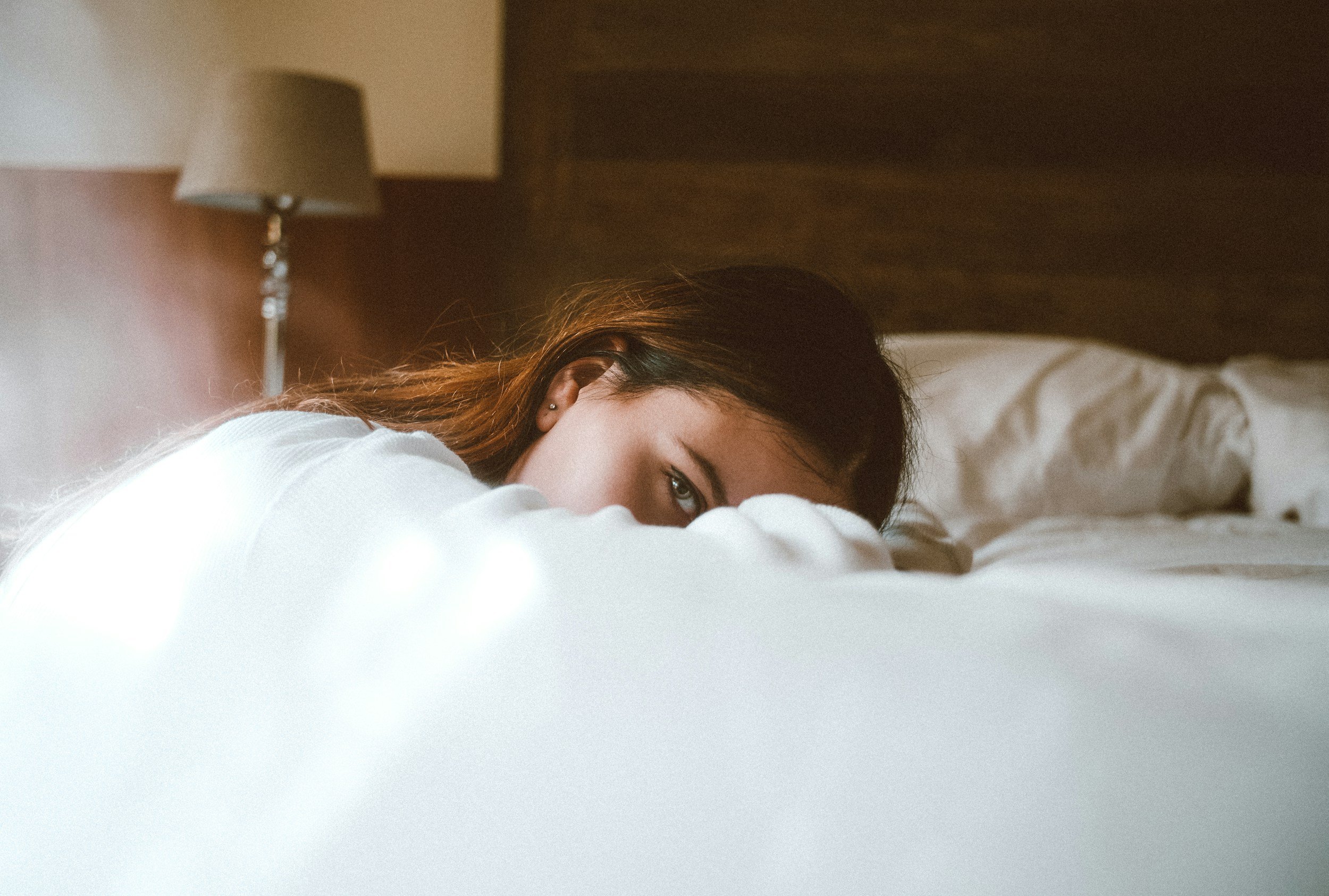
Luxury hospitality has mastered the art of soothing the physical body.
Walk into any five-star suite and the formula is perfected: 800-thread-count Egyptian cotton, custom pillow menus, rainfall showers, eucalyptus steam rooms, and deep-tissue spa treatments.
Every square inch is engineered to release tension from your muscles.
Yet when the lights go out at midnight, millions of guests lie wide awake staring at an unfamiliar ceiling, their minds racing at a hundred miles an hour.
In an era defined by chronic burnout, hyper-connectivity, and high anxiety, luxury hotels are solving the wrong half of the problem. They are treating the body while ignoring the mind.
The "Body-First" Blind Spot
Historically, hospitality equated rest with physical comfort. If the mattress was plush enough and the blackout curtains heavy enough, sleep was assumed to follow.
Today, that assumption is broken. Modern travellers aren’t just physically tired from long-haul flights or back-to-back meetings, they are cognitively overloaded.
You can massage a guest’s shoulders for ninety minutes, but if their nervous system is stuck in a sympathetic "fight-or-flight" loop, a softer mattress won't switch their brain off.
Why Luxury Rooms Can Accidentally Trigger Anxiety
Ironically, the very things designed to make a hotel room feel "impressive" often keep the brain on high alert:
Cognitive Friction: Complex touch-panel lighting systems that require an engineering degree to turn off at 11 PM, unfamiliar thermostat interfaces, and glowing standby LEDs scattered across the room all create micro-frustrations that keep the brain active.
The "First-Night Effect": Neuroscience shows that when we sleep in an unfamiliar environment, one hemisphere of the brain remains more vigilant, acting as a night watchman. High-stimulation luxury environments can heighten this subconscious alertness rather than disarming it.
The Digital Tether: Placing a sleek tablet next to the bed or framing the room around a massive 65-inch screen subtly reinforces the exact screen-heavy habits guests are trying to escape.
What Designing for the Mind Actually Looks Like
The next frontier of luxury hospitality and true sleep tourism isn't about adding more thread count.
It’s about cognitive decompression: designing environments and rituals that actively signal safety and stillness to an anxious brain.
Sensory Simplicity: Intuitive, tactile controls (a single master switch that actually turns everything off), warm circadian lighting that dims naturally in the evening, and acoustic isolation that eliminates sudden corridor noise.
Guided Mental Off-Ramps: Instead of just leaving a chocolate on the pillow, offering effortless ways to quiet mental chatter, whether through curated audio wind-downs, breathwork prompts, or analog rituals like journaling and herbal infusions that pull attention out of the head and into the present moment.
Permission to Unplug: Creating frictionless phone-free zones or bedside charging stations tucked away out of reach, removing the visual cue of an inbox waiting to be checked.
The New Definition of Luxury
For decades, luxury hospitality was built on abundance: more amenities, more choices, more stimulation. In an anxious, overstimulated world, true luxury has become subtraction, removing the noise, friction, and mental clutter that keep us wired long after our heads hit the pillow.
Soothing the body will always have its place, a great mattress and a quiet room matter.
But until hotels start designing as intentionally for the nervous system as they do for the spine, guests will keep checking out exhausted from five-star stays.
The properties that will define the next era of hospitality won’t just be the ones with the best spas or the highest thread count.
They’ll be the ones that understand a simple truth: you haven’t truly given a guest rest until you’ve helped them quiet their mind.
At SOOTHR, we believe a great night’s sleep starts long before your head hits the pillow. Discover how our curated wellness kits and sensory wind-down rituals are helping hotels and travellers bridge the gap between physical comfort and true mental rest.
#SleepTourism #LuxuryHospitality #MentalWellness #HotelDesign #MindfulTravel #GuestExperience #BurnoutRecovery
